
How DIY Laundry Detergent Actually Works
Most commercial detergents are built from the same basic components — a cleaning agent, a water softener/booster, a stain fighter, and fragrance. You can assemble the same system yourself at a fraction of the cost by choosing each component individually. The advantage of building your own blend isn't just cost — it's control. You choose exactly what goes into every load.
A great DIY laundry detergent has four components, each doing a specific job:
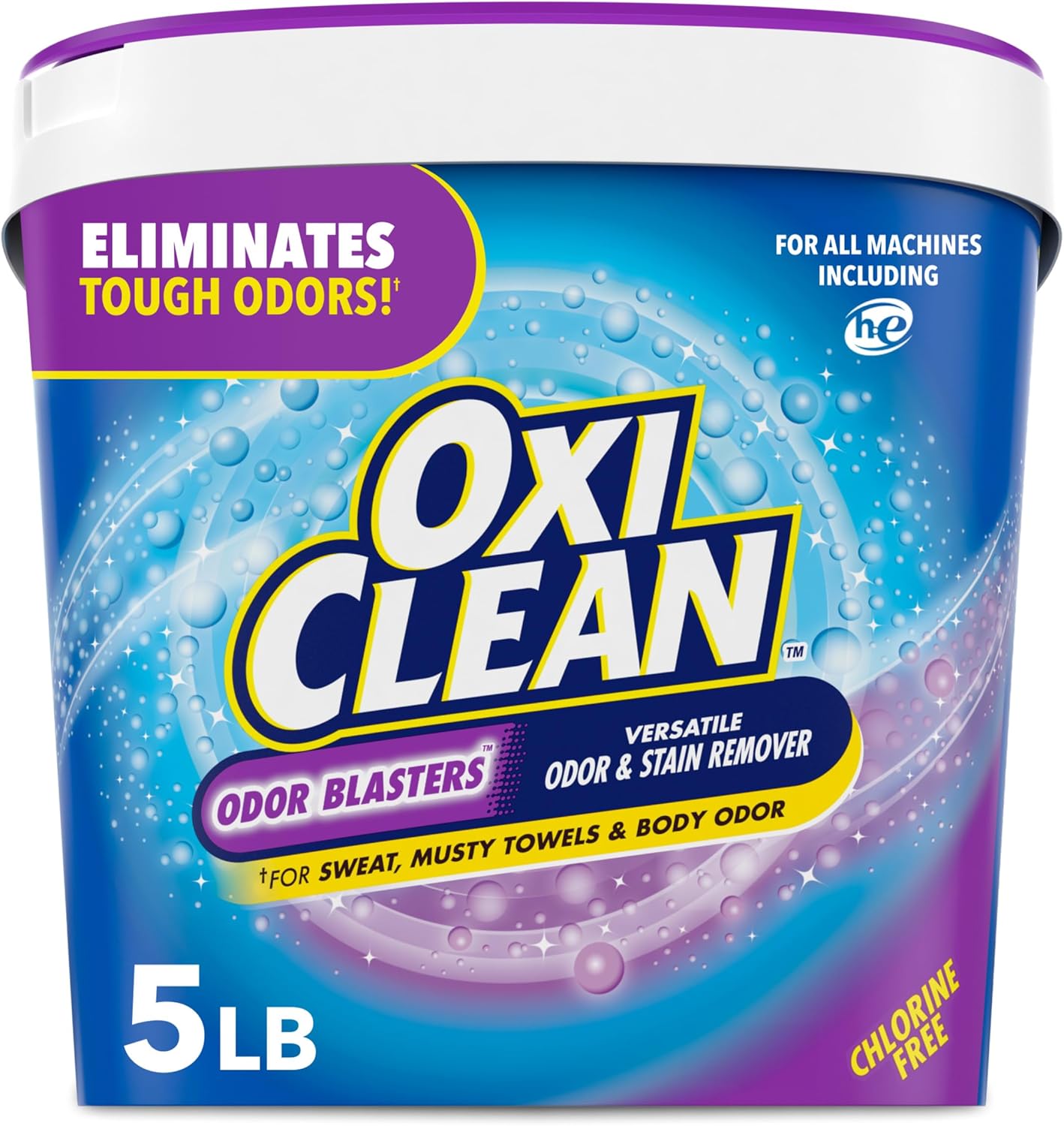
Component 1 — Oxygen Bleach
Oxygen bleach is the stain-fighting engine of your DIY detergent. It releases oxygen ions that break apart stain molecules on contact — working on everything from wine and coffee to grass and blood. It also brightens whites and eliminates odors without the harshness of chlorine bleach. This is the most important component and the one most people skip.
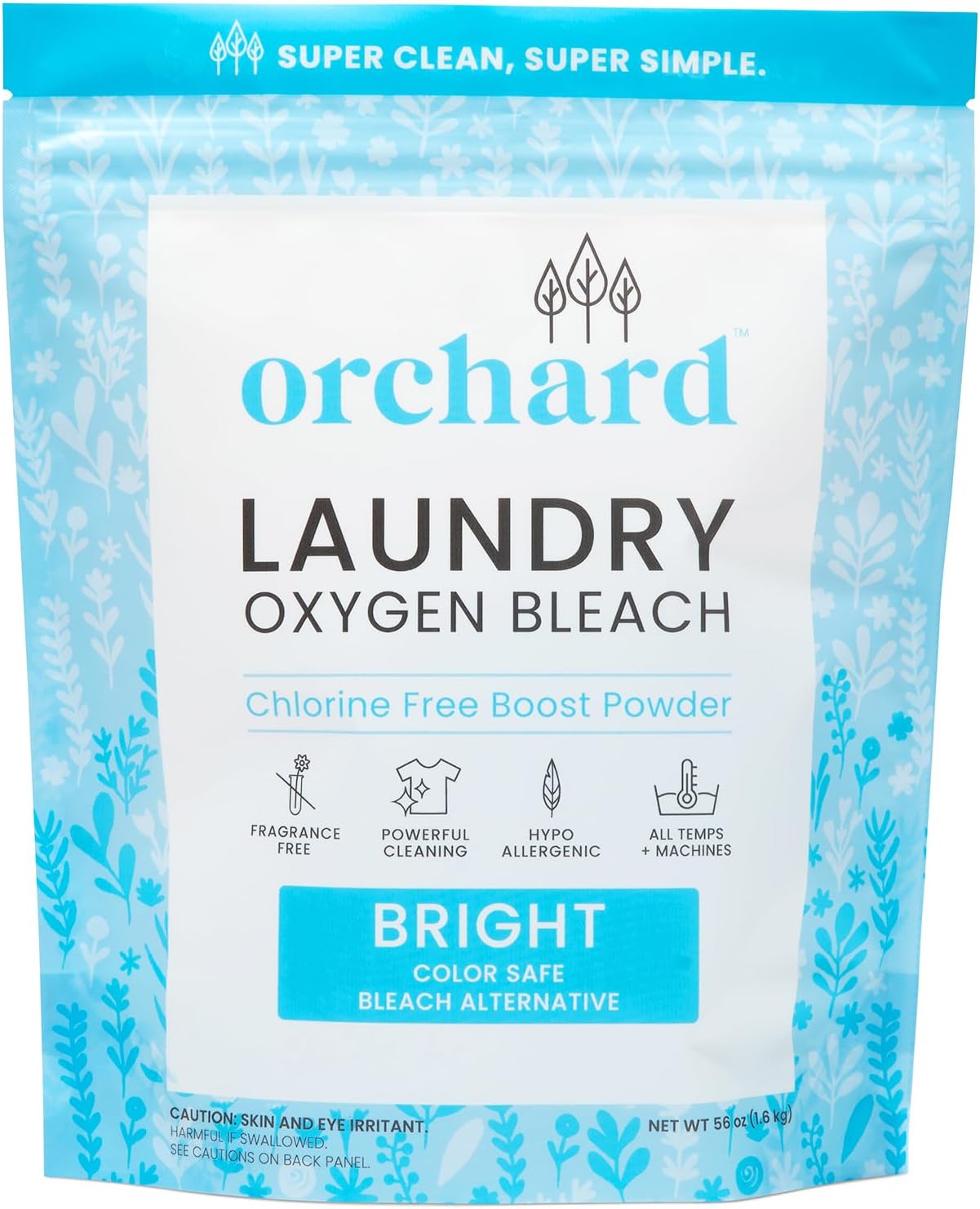
Component 2 — Laundry Booster (Washing Soda and/or Borax)
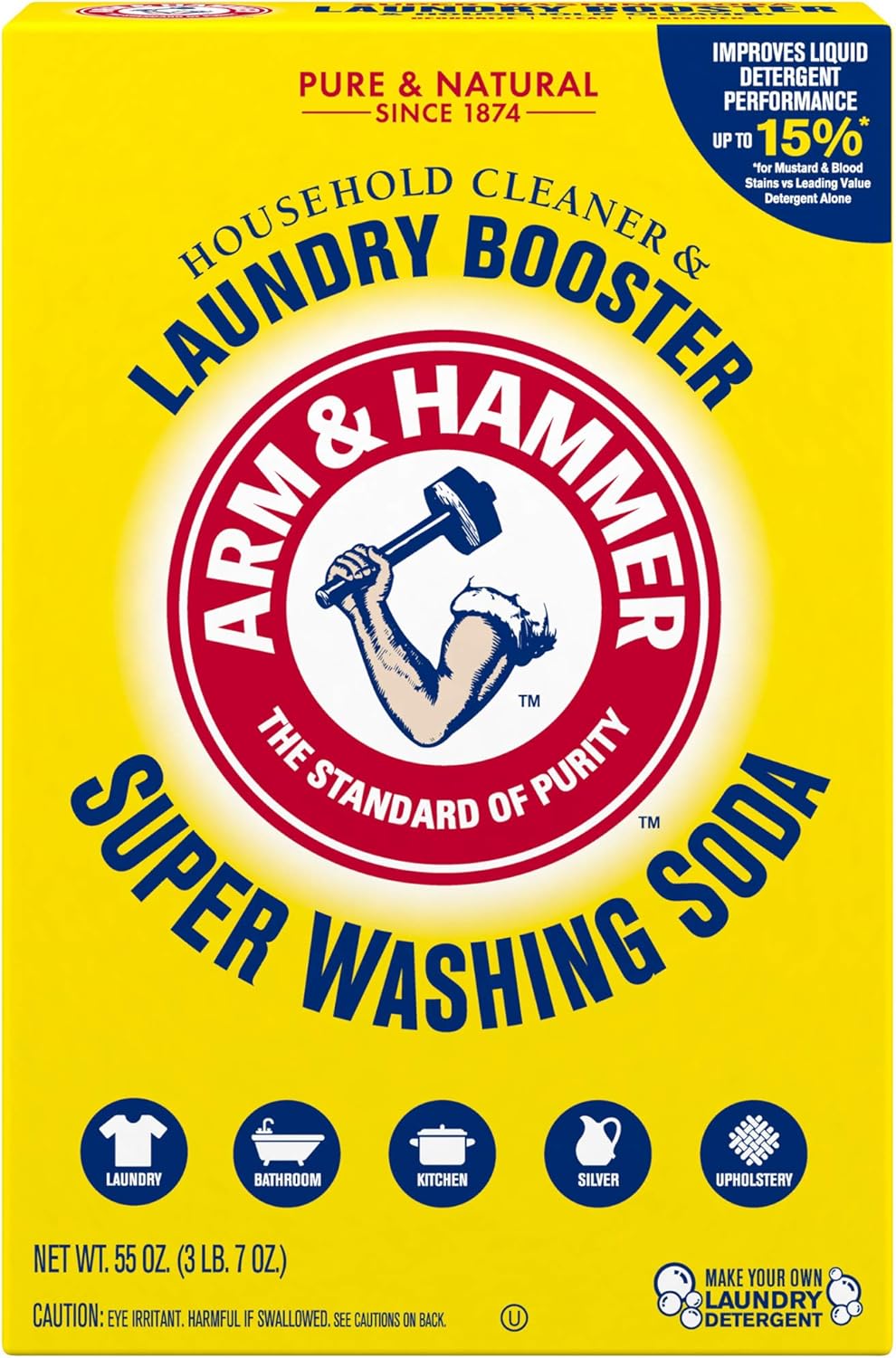
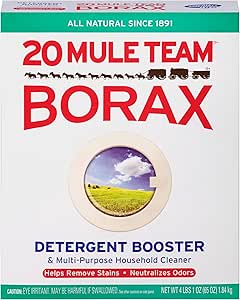
Laundry boosters serve two critical functions: they soften hard water (which dramatically improves how well any detergent works) and they raise the pH of your wash water, which increases cleaning power. You can use Washing Soda, Borax, or both. Washing Soda is more alkaline and a stronger cleaner. Borax is milder and better at odor elimination and whitening. Many DIY makers use a 50/50 blend of both.
💧 Hard Water Tip
If you have hard water, increase your Borax amount
Hard water contains high levels of dissolved calcium and magnesium minerals. These minerals actively interfere with how detergent works — instead of the surfactant molecules binding to dirt and stains on your clothes, they get hijacked by the calcium and magnesium ions first. The result is that a significant portion of your detergent is wasted neutralizing hard water rather than cleaning your laundry.
This is where Borax earns its place in the blend. Borax binds to the calcium and magnesium molecules before they can interfere with your detergent — effectively neutralizing the hard water and freeing your surfactant to do what it's supposed to do: clean your clothes.
Recommended Borax amounts by water hardness:
Soft Water
¼ cup Borax per batch
Moderate Hard
½ cup Borax per batch
Very Hard Water
¾–1 cup Borax per batch
Not sure if you have hard water? White chalky residue on faucets, spots on dishes, or reduced soap lather are telltale signs. You can also check your local water utility's annual water quality report — hardness is measured in grains per gallon (GPG). Anything above 7 GPG is considered hard.
Component 3 — Surfactant (Cheap Powder Detergent)
Hard water contains high levels of dissolved calcium and magnesium minerals. These minerals actively interfere with how detergent works — instead of the surfactant molecules binding to dirt and stains on your clothes, they get hijacked by the calcium and magnesium ions first. The result is that a significant portion of your detergent is wasted neutralizing hard water rather than cleaning your laundry.
This is where Borax earns its place in the blend. Borax binds to the calcium and magnesium molecules before they can interfere with your detergent — effectively neutralizing the hard water and freeing your surfactant to do what it's supposed to do: clean your clothes.
Not sure if you have hard water? White chalky residue on faucets, spots on dishes, or reduced soap lather are telltale signs. You can also check your local water utility's annual water quality report — hardness is measured in grains per gallon (GPG). Anything above 7 GPG is considered hard.
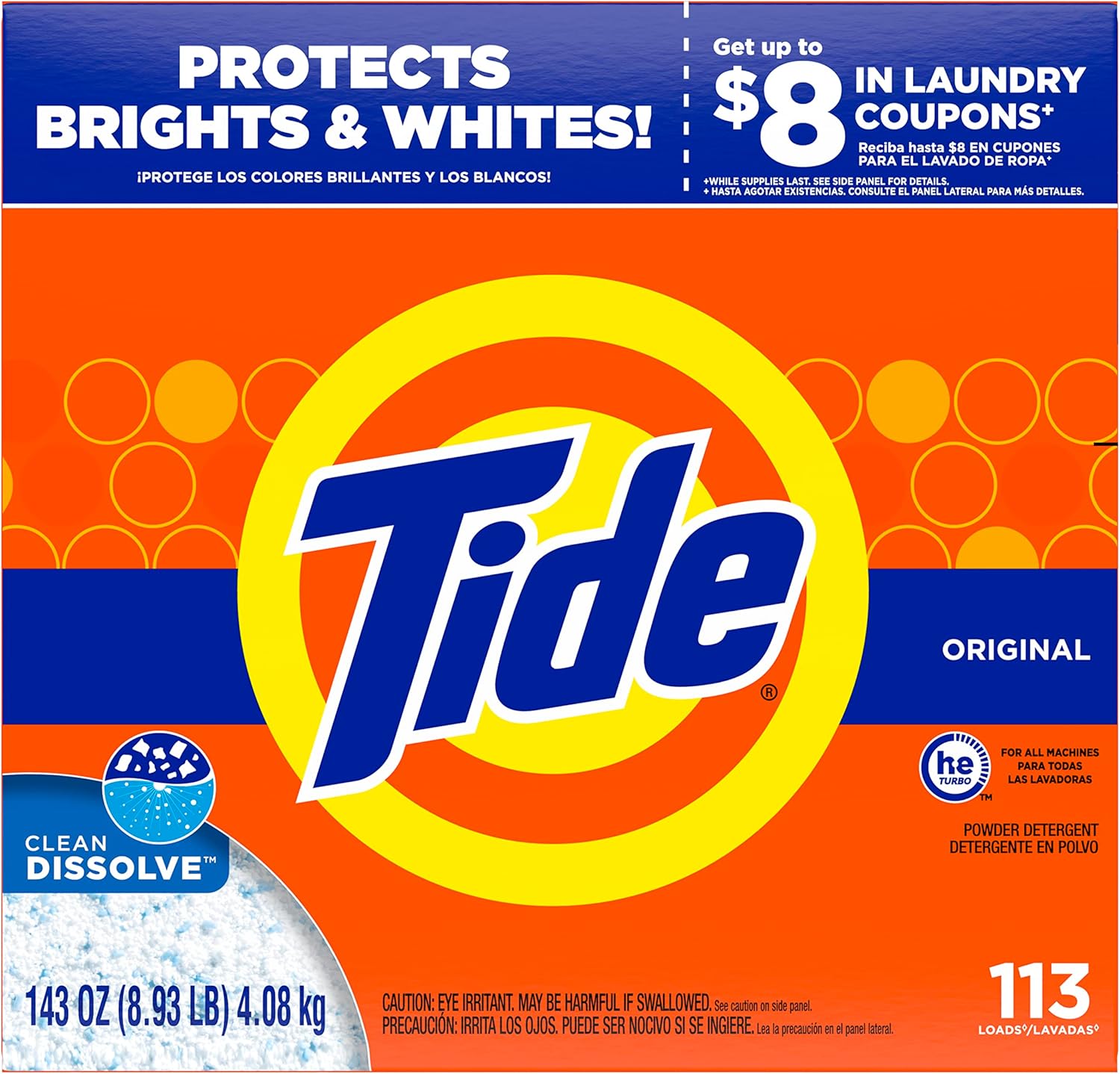
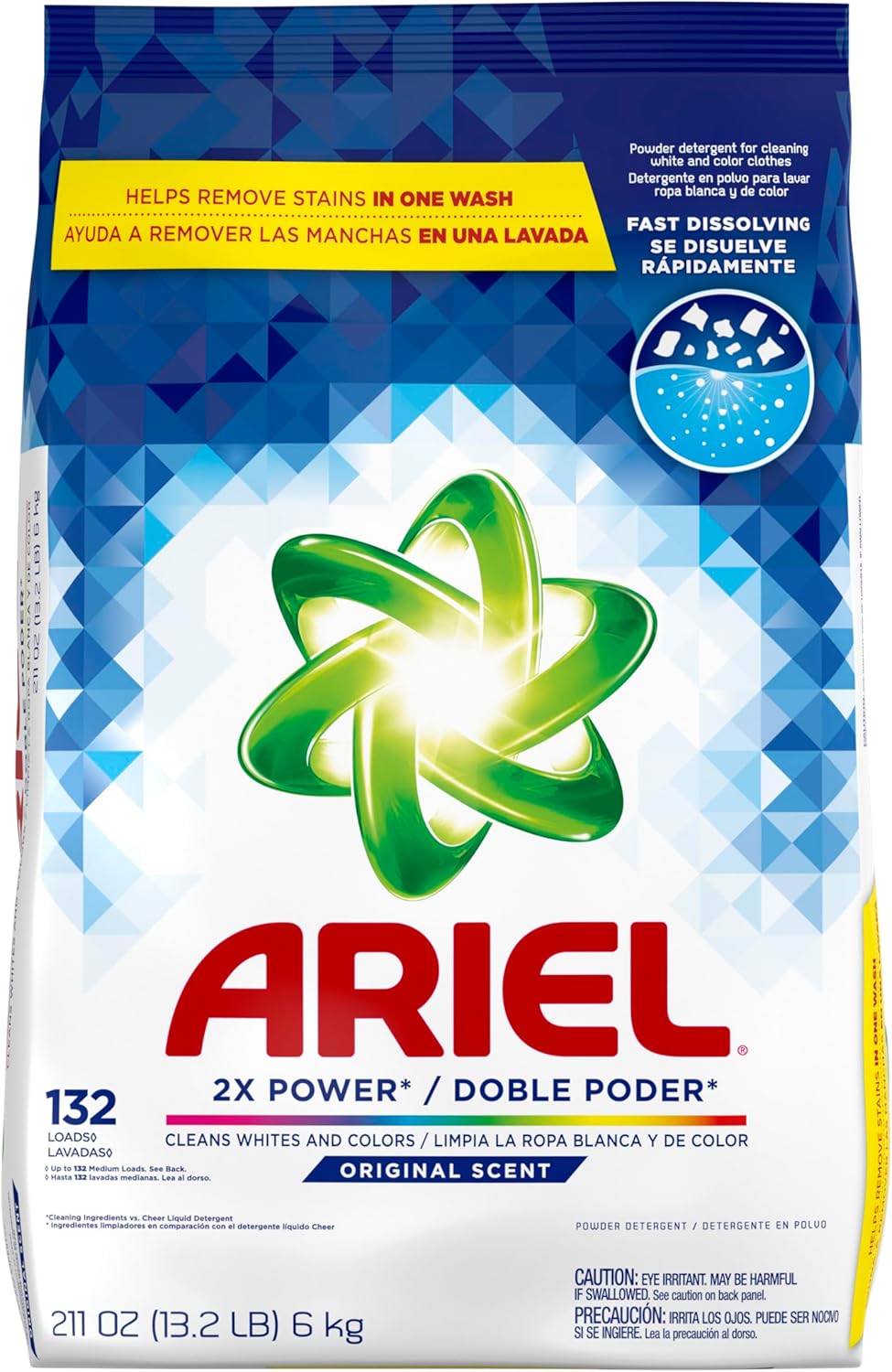
A surfactant is what actually lifts dirt and oils off fabric and suspends them in water so they wash away. Without a surfactant, you're just soaking clothes in alkaline water. The simplest and most effective approach is to use a small amount of a cheap powder detergent as your surfactant source — brands like Foca, Ariel, or Roma are specifically designed as concentrated surfactant bases and cost very little. You only need a small amount since the oxygen bleach and boosters are doing most of the work.
Use 2–3 tablespoons of your chosen powder detergent per load. Since the oxygen bleach and boosters are doing most of the heavy lifting, you only need a small amount of surfactant — which is why cheap, concentrated powder detergents are perfect for this role.
Component 4 — Scent (Optional)
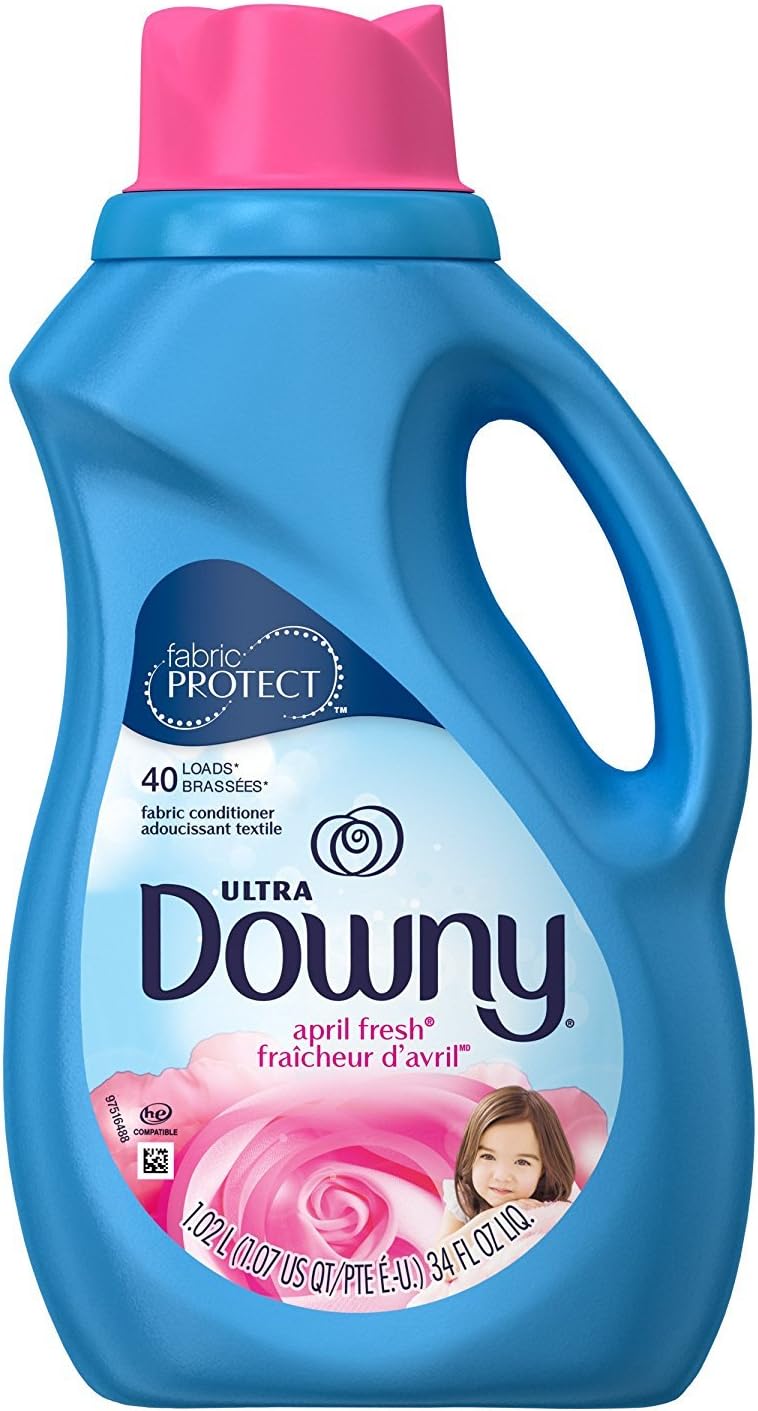
Scent is entirely optional — your DIY detergent will clean just as effectively without it. If you want fragrance, the cleanest approach is laundry fragrance beads (like Downy Unstopables) which are specifically designed to add long-lasting scent without affecting cleaning chemistry. Add them directly to the drum before loading clothes — never mix them into your powder blend as some formulas can affect pH.
Sample DIY Blend Recipes
- • 1 cup OxiClean (oxygen bleach)
- • 1 cup Washing Soda
- • ½ cup Borax
- • ½ cup Foca/Ariel/Roma powder
- • Use 3–4 tablespoons
- • Cost: ~4–5¢ per load
- • Best in warm/hot water
- • HE machine compatible
- • 1 cup OxiClean Free (fragrance free)
- • 1 cup Washing Soda
- • ½ cup Borax
- • No surfactant or scent
- • Use 3 tablespoons
- • Cost: ~3–4¢ per load
- • No dyes or fragrances
- • Safe for sensitive skin
- • 1½ cups OxiClean
- • 1 cup Washing Soda
- • ½ cup Borax
- • ¾ cup Ariel/Foca powder
- • Use 4–5 tablespoons
- • Cost: ~5–7¢ per load
- • Best for work clothes
- • Use warm or hot water
🏁 The Bottom Line
DIY laundry detergent works best when you treat it as a system rather than a single recipe. Oxygen bleach fights stains. Washing Soda and Borax boost cleaning power and soften water. A small amount of concentrated powder detergent provides the surfactant that lifts dirt off fabric. Add Downy Unstopables for fragrance if wanted. Total cost: 3–6 cents per load.
⚠️ Affiliate disclosure: Links in this post are affiliate links. We may earn a commission at no extra cost to you.